Frogfish are one of those weird & wonderful underwater inhabitants that divers simply love to discover.
In addition to their superb camouflage, their incredible variety of colour and texture make them fascinating to observe, while their behaviour is equally unusual.
When Frogfish bother to move at all, they tend to walk, rather than swim. They fish rather than activley hunt and their downturned mouths and unusual body shape add to a real sense of character.

Love marine life?


The fastest movement in the animal kingdom!
-
Rickard Zerpe
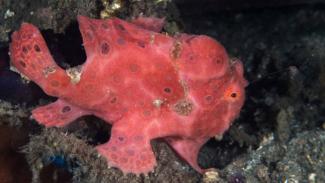
Painted Frogfish -
Laszlo Ilyes
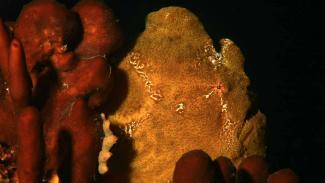
Giant Frogfish -
Rickard Zerpe
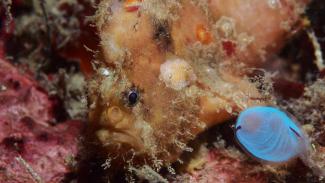
Freckled Frogfish -
Christian Gloor
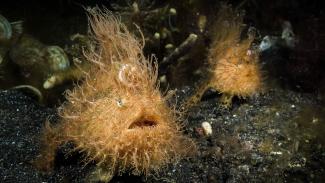
Hairy Frogfish -
Rickard Zerpe
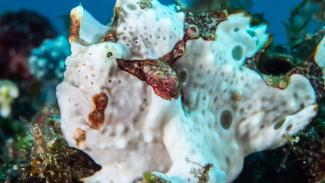
Warty frogfish
Family variety
Behaviour
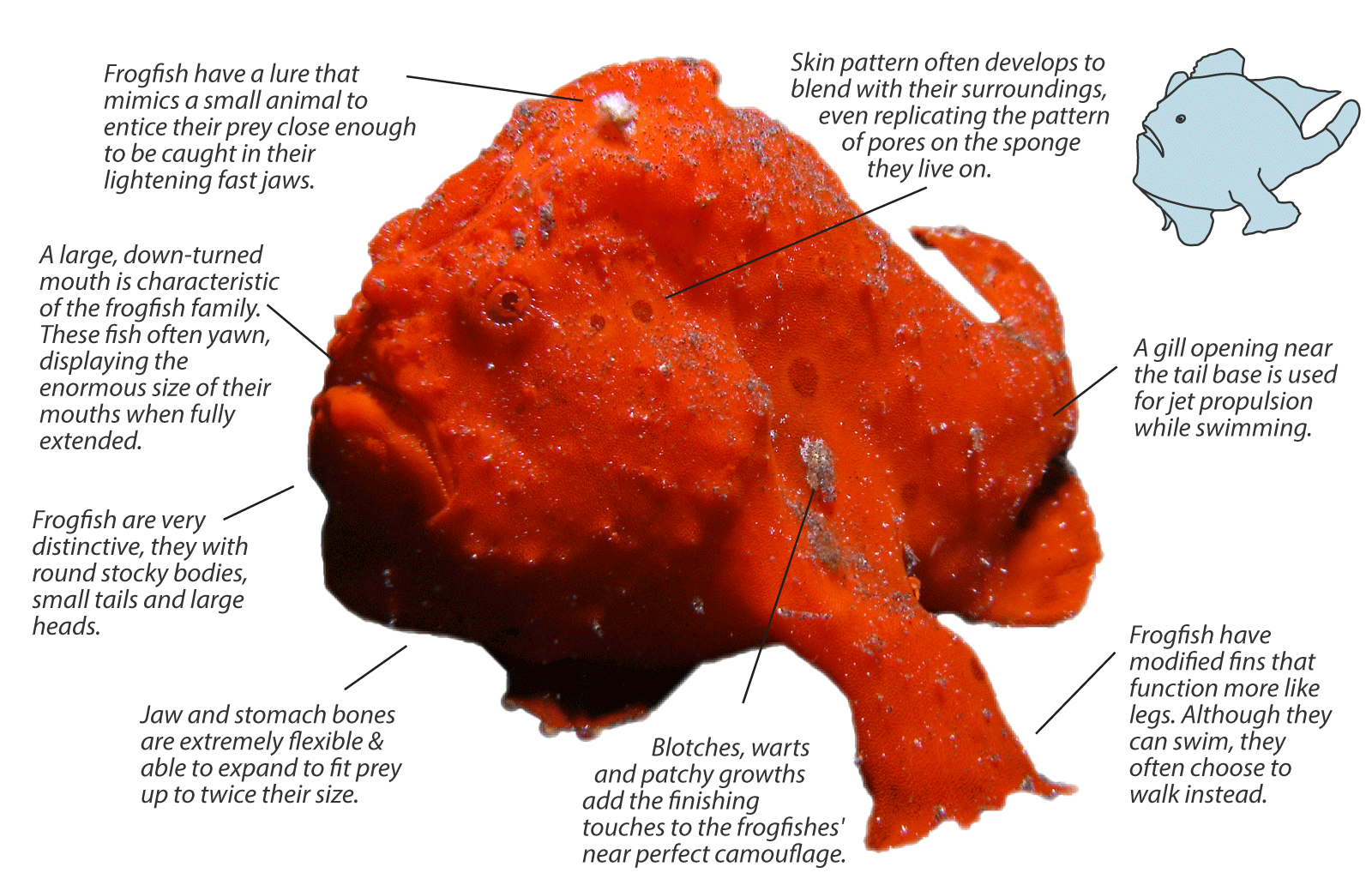
Because of their unique feeding strategy and their amazing camouflage they rarely need to move to pursue prey or escape predators. When they do move then often walk on modified fins as legs. They can swim but rarely do so unless escaping danger or mating.
Reproduction
Diet
Defences
FACTFILE
 SPECIES: 44
 SIZE RANGE: 4-40 cm
 DISTRIBUTION:
Global. Widespread throughout region.
 HABITAT:
Coastal areas with plenty of algal growth & sponges. Wrecks, jetties and artificial reefs.
 THREATS:
Few
Identification tips
-
Frogfish have a lure that entices their prey close enough to be caught in their lightening fast jaws.
-
A large, downturned mouth is characteristic of the frogfish family. If you are lucky, you might even see them yawn!
-
A Frogfish's skin pattern often adapts to blend in seamlessly with their surroundings. Blotches, warts and patchy growths add the finishing touches to their camouflage.
-
Frogfish have modified fins that look more like legs. Although they can swim, they often choose to walk instead.
Popular species
Frogfish are a magical find on any dive. Discover some of the most popular species encountered by scuba divers.
Giant Frogfish
(Antennarius commersoni)
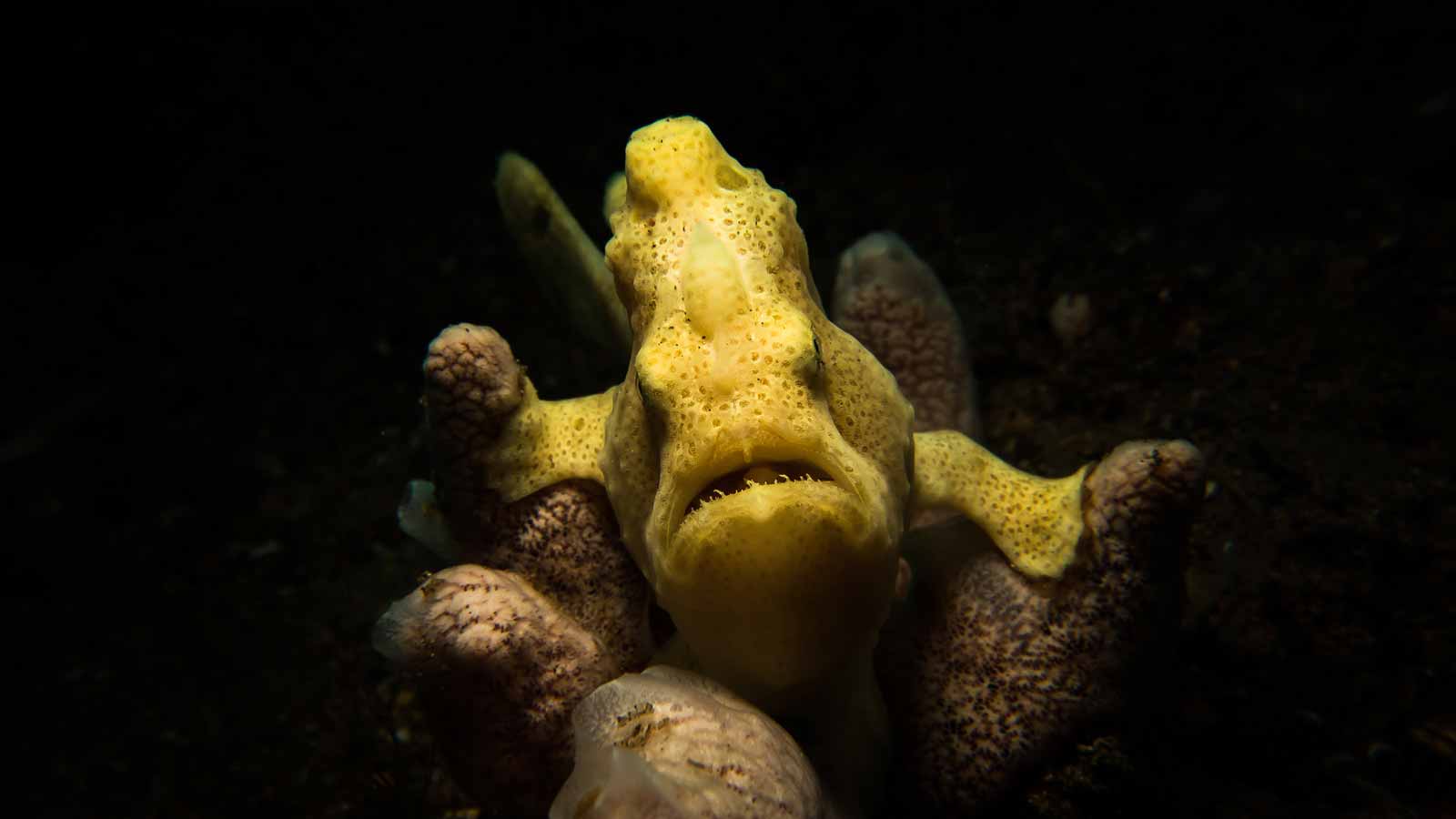
The Giant Frogfish it the largest in the family and can grow up to 50cm. They can vary significantly in appearance to blend in to their habitat and surroundings, but often have growths and warts to help with camouflage. Identified best by their large size, they are often found perching on the top of sponges or high above the bottom on wrecks or artificial reefs.
Clown Frogfish
(Antennarius maculatus)
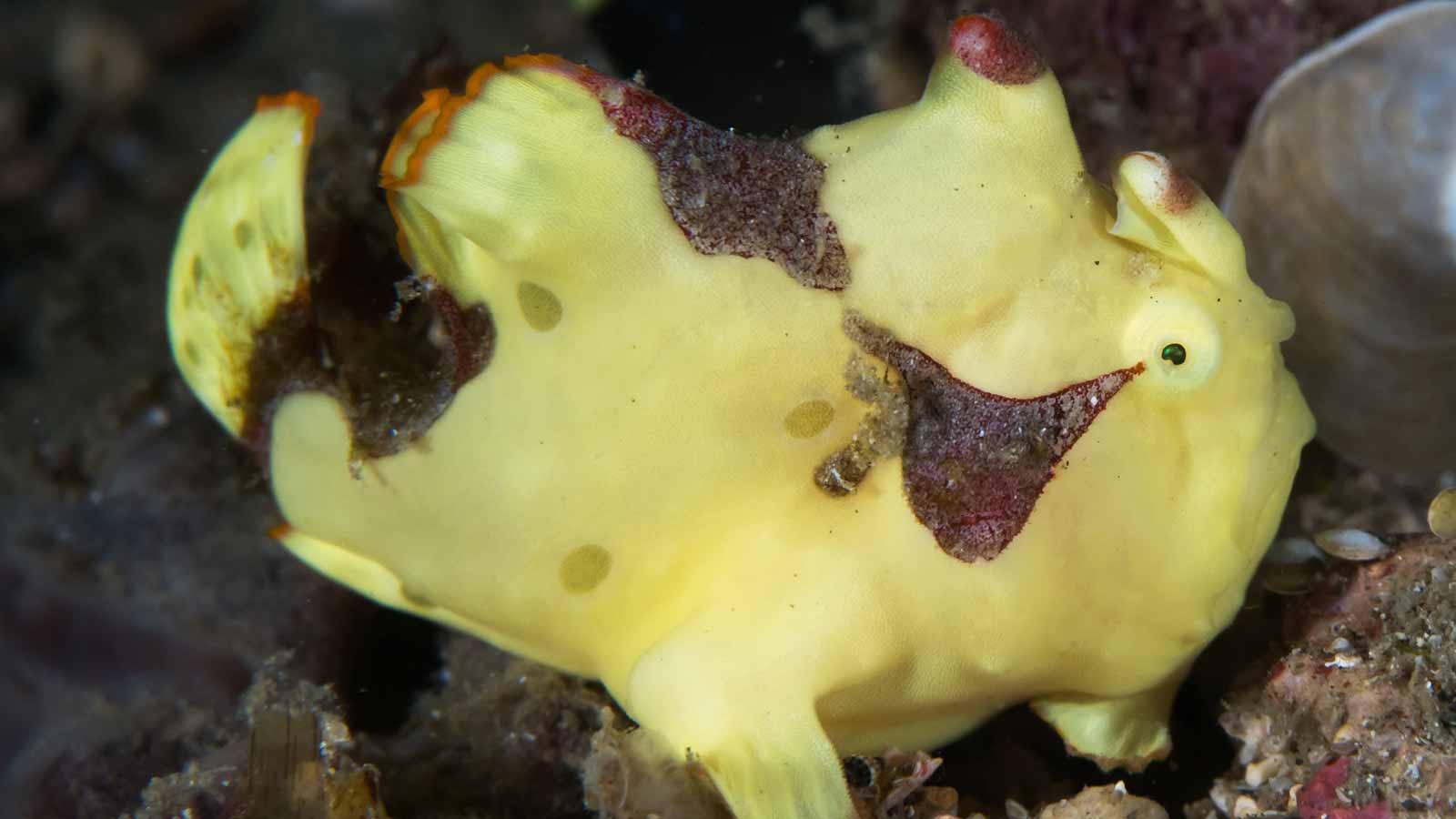
With their colourful designs Clown Frogfish are one of the easiest frogfish to identify. Usually yellow or white with black markings these little frogfish can be some of the most striking in their family. Juveniles also have incredible and easily identifiable markings. They are sometimes known as the Warty Frogfish.
Painted Frogfish
(Antennarius pictus)
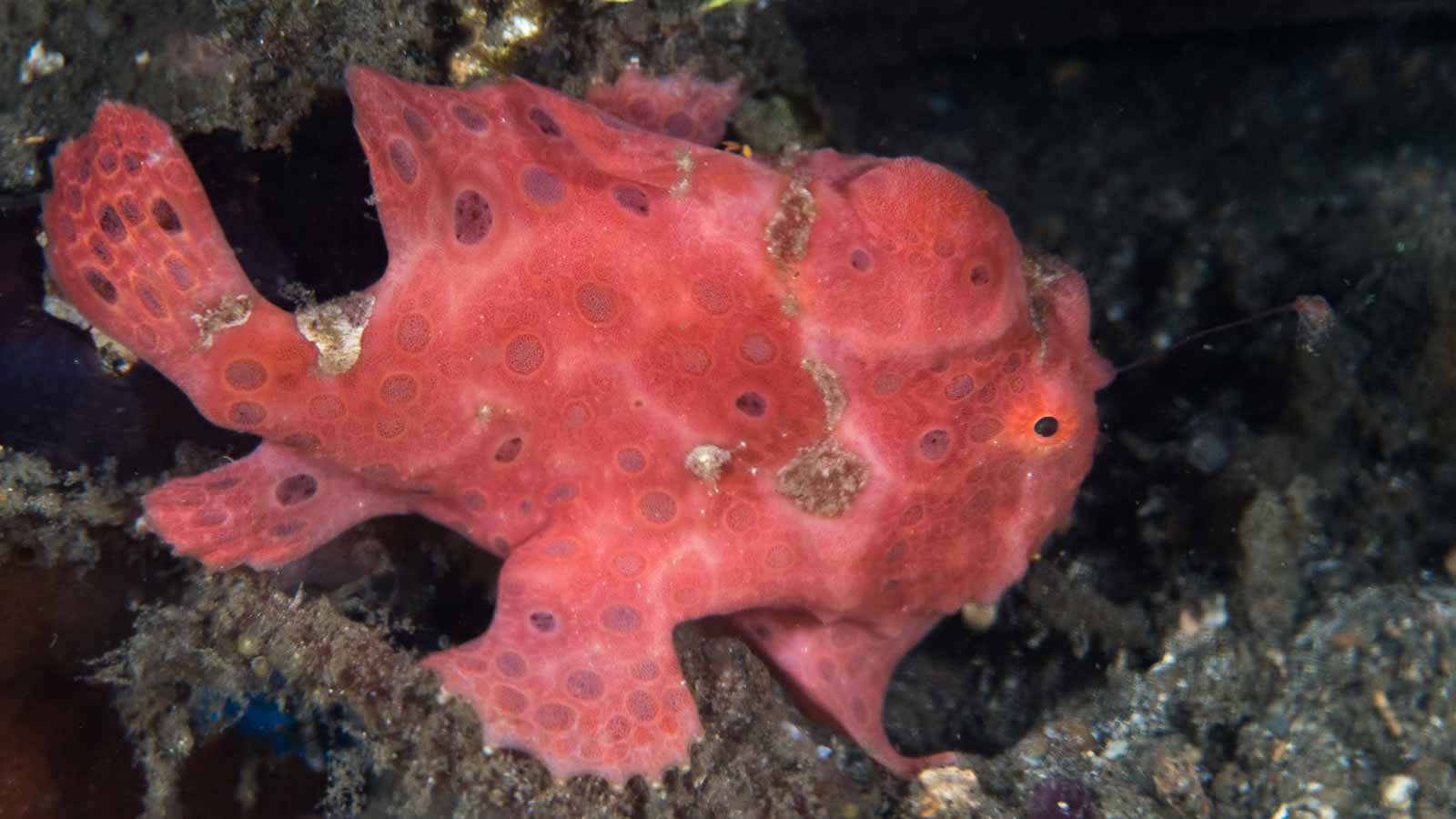
This species comes in a wide variety of colours and markings, including pink, red, black, white & yellow. Some have smooth skin with markings that mimic the pores of the sponges they live in. Others have growths and warts to mimic algae in their environment. Juveniles also have incredible and easily identifiable markings, often mimicking poinsonous Flatworms.
Bohol
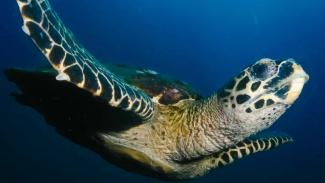
The island of Bohol lies just to the east of Cebu in the Viasayas region of the Philippines and is a popular island for tourists.
The area's diving is also a major attraction, with great macro life, plentiful turtles and lovely coral reefs. Good diving options are available on the west coast, and also the quieter south-east region of Anda.
Maumere
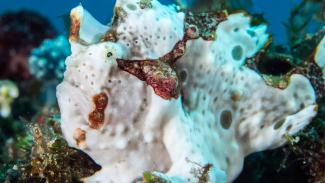
Maumere is a beautiful bay on the north coast of Flores. It is an area that is famous for its diversity.
Sperm Whales, Pilot Whales, Dolphins & Whalesharks cruise the bay, good encounters with Sharks & large Rays are possible and there is a wealth of macro life to keep any diver fascinated for hours.
Lembeh Strait
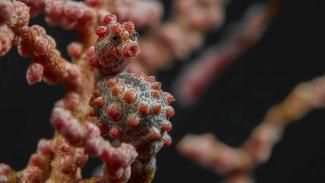
Lembeh Strait separates little Lembeh island from the north-eastern shores of Sulawesi. It is famed for its exceptional muck diving.
The coastline either side of the Lembeh Strait has a rugged beauty, but it is the action below the waves that draws divers here.
Other fascinating species...
Damselfish - Pomacentridae

Everybody has heard of Nemo, but not many know that this species is a member of the Damselfish family - a large family that includes many of the smaller fish that make up the numbers on Asia's ree
Ghost Pipefish - Solenostomidae

With their incredible ability to mimic their surroundings and their tiny size, it is not surprising that these spectacular critters are seldom spotted by divers.
Lionfish and Scorpionfish - Scorpaenidae
