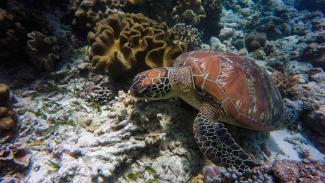
Visit Koh Tao in Thaland to experience the quintissential diving island
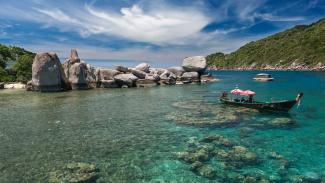
Valeriy Ryasnyanskiy
Koh Tao (sometimes spelt Ko Tao) is Thailand's original island diving destination and now the most popular place in the country to learn to dive.
The diving on Koh Tao is known for its colourful reefs that are ideal for beginners, plus some deeper pinnacles with the chance of big fish encounters for more advanced divers.
There is a wide choice of dive centres to enjoy and plenty of accommodation options to choose from.
Highlights


Best diving spots
One of the most famous dives from Koh Tao is Chumpon Pinnacle. This underwater seamount, which lies to the west of the island starts around 14m and descends down to 36m. The pinnacle, attracts no shortage of pelagic action with large schools of Trevally and Barracuda congregating around the reef, plus fairly regular shark sightings. Whale Sharks are also occasional visitors to this excellent dive site.
Sail Rock, sometimes known as Hin Bai, jostles with Chumpon for the title of Ko Tao's best dive site. The pinnacle begins above water and drops down to around 30m. A large school of Batfish often hover in the shallows, while in the blue big fish encounters are common. Barracuda, Trevally & large Groupers are all seen here and Whalesharks are known to pass by. The site also has an interesting underwater passage known as 'The Chimney', starting at 18m and rising almost vertically to around 12m.
Due south of Ko Tao, Southwest Pinnacle is actually a series of pinnacles rising up from around 30 metres. This is another dive spot with a chance of larger marine life, where Barracuda and Trevally are often seen.
Just a short boat ride from Ko Tao, Ko Nang Yuan offers a wide range of easy and enjoyable scuba dives, with shallow coral gardens and interesting rock-formations, making this a great spot to learn to dive. White Rock is also a popular dive site, despite the occasionaly attentions of overly zealous Triggerfish, while Hin Thong Koo, Mango Bay & Whale Rock offer more options. Blacktip Reef Sharks are relatively common around Ko Tao and can be encountered at manydive sites.
Angthong Marine Park to the south-west has beautiful islands and dive sites that are also great for beginners. Ko Wao and Ko Yippon are the most popular spots. Banded Sea Kraits are often seen here, while Turtles are more commonly encountered than at sites further north.
When to dive
The best time to dive on Koh Tao is between May and August. Out of season, the visibility can be reduced. However, due to the proximity of many of the dive sites in the area, it is possible to dive around Ko Tao all year round.
Getting there
The easiest way to reach Koh Tao is via Ko Samui, which has its own airport. Samui connects with many spots in Thailand, most noteably Bangkok, the capital. There are also international connections to Malaysia, Singapore & Hong Kong.
From Samui, you can take a boat to Ko Tao via Ko Pha Ngan, either by speedboat or slowboat. Ferries also leave from Surat Thani and Chumpon on the mainland to the west.
Activities
Away from the diving, there are plenty of beautiful beaches to visit and the nightlife is good, with many enjoyable restaurants and bars.
Resort and liveaboard options
Koh Tao has resort options to suit most budgets, with plenty of excellent value options. There is also a large number of dive centres to choose between, some of which have their own accommodation.
Most resorts will also be able to assist with your travel to Koh Tao.
You might also enjoy...
Redang
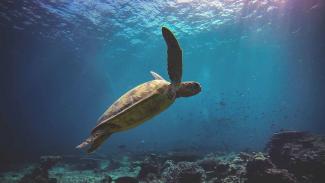
On the east coast of Peninsular Malaysia, just a little south from the Perhenthians, is Palau Redang.
This island is a relatively recent entrant on the dive map and is proving to be an increasingly popular destination, with healthy corals and abundant marine life, including Turtles, Sharks & Rays.
The diving is generally easy, while the island's lovely beaches & quiet ambience ensure a very relaxing stay.
Lombok & Gili Islands
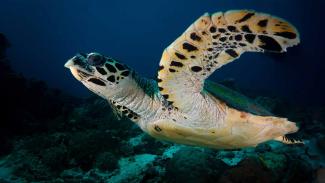
In north-west Lombok, the Indonesian island to the east of Bali, are three idyllic islands known collectively as the Gili Islands.
These small islands, as well as being beautiful above water, also offer a visual feast below the waves, with plenty of turtles & other great marine animals.
The islands, which have no cars and a very relaxed way of life, have become the most popular spot in Indonesia to learn to dive.
Phuket & Phi Phi Islands
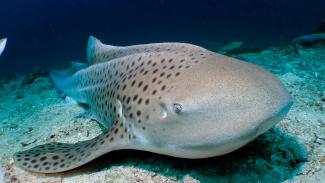
Diving in Phuket has always been hugely popular due to its ease of access and choice of dive centres. It is one of Thailand's top tourist spots.
Phi Phi Island is equally popular. Actually two main islands - Don and Lae - they are truly spectacular with limestone cliffs rising into the sky.
Tioman & Aur
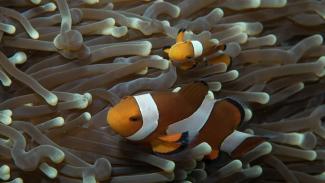
Around 40km off the east coast of Peninsular Malaysia, not far from Singapore is the picturesque island of Tioman.
A popular holiday resort for Malaysians & Singaporeans, the steep-sided jungle clad slopes of the island rise straight out the water and smaller islets dot the coastline, making for a spectacular tropical dive spot.
A little to the south is the tiny island of Aur, which while difficult to reach, has good diving.
Boracay
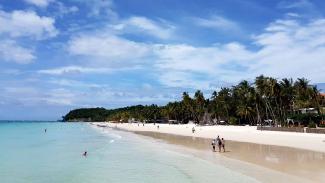
Just off the northern tip of Panay Island, south of Mindoro is the small island of Boracay.
Famed for its white, powder sand beaches - reputed to be some of the world’s best - Boracay is one of the Philippines’ most famous tourist spots and is now open to visitors once again.
The island is also one of the most popular places to learn to dive in the Philippines, with a wide range of dive sites to suit all levels.
Con Dao